
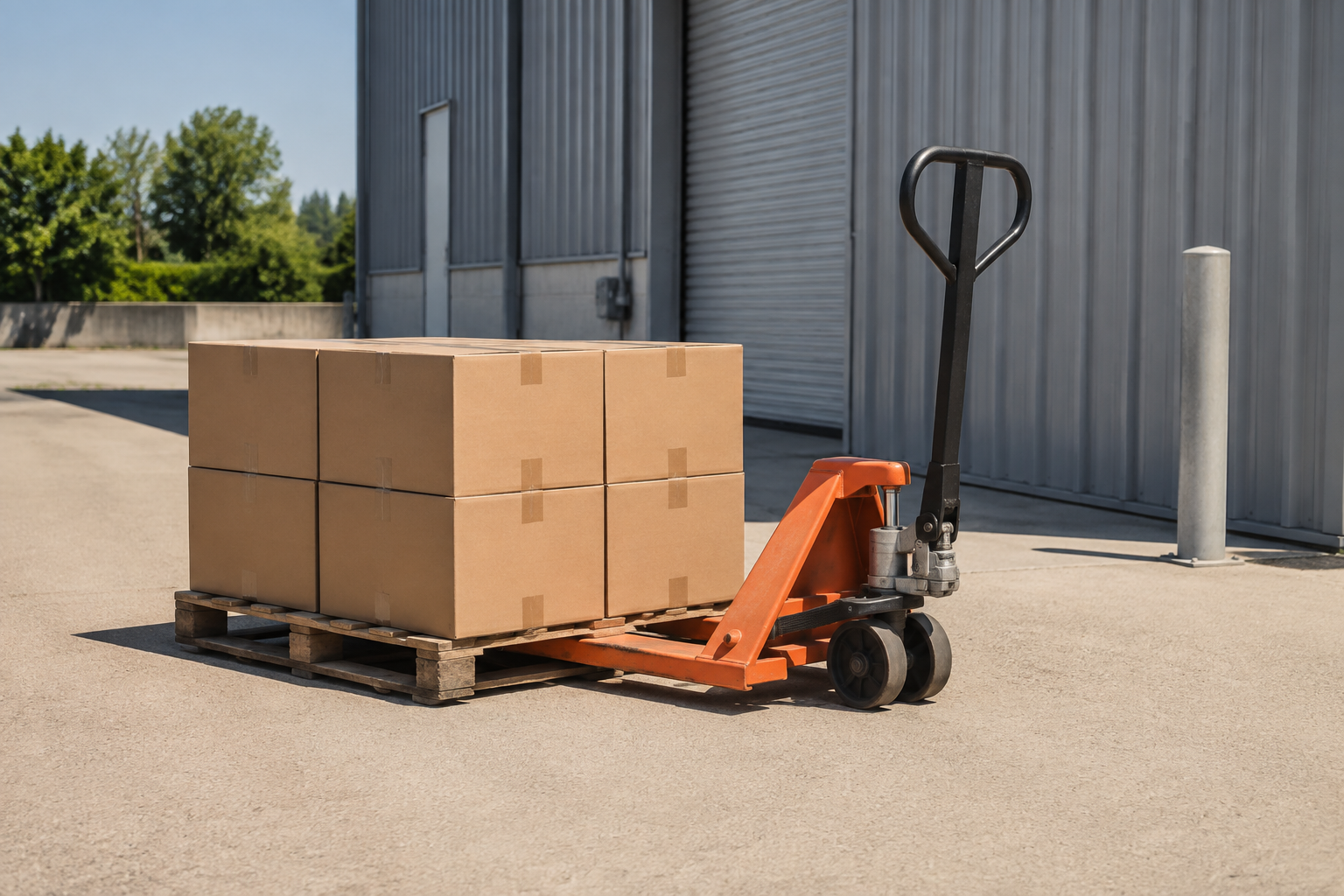
Outdoor yards, construction sites, and scrap-littered factory floors can quickly destroy standard polyurethane wheels. Soft tread may chunk or tear against sharp rocks and metal debris. A hard-tread wheel is often required, but asking for a “hard wheel” alone is not enough to prevent downtime.
Skip Commodity Plastics
Many budget heavy-duty wheels use polypropylene (PP) or ABS. They may look suitable, but these materials are often too brittle for harsh industrial impact. Under heavy loads crossing gravel or metal thresholds, they can chip, deform, and crack.
Why the Nylon Manufacturing Process Matters
Injection-Molded Nylon
Rapid injection molding can leave lower molecular crystallinity and internal stress. In practice, the wheel is relatively brittle, less able to absorb impacts from sharp stones or metal edges, and more likely to develop permanent flat spots under long static loads.
Cast MC Nylon
Monomer-cast MC nylon polymerizes slowly in the mold and develops high molecular density. Compared with injection-molded nylon, it offers significantly higher compressive strength, toughness, and impact resistance. It resists cuts from gravel and blows from metal debris without shattering.
Do Not Let a Cheap Bearing Kill a Tough Wheel
Dust, dirt, and metal shavings can enter open or metal-shielded bearings within weeks. Contaminated grease causes grinding, binding, and eventual seizure. Rough and dusty terrain calls for double-sealed precision bearings such as 2RS rubber-sealed bearings to keep debris out and grease in.
Know the Limits
Even cast MC nylon has limits under ultra-high loads combined with continuous high-speed operation. Frictional heat can push the material beyond its thermal threshold.
Send your operating speed, maximum load, wheel dimensions, and floor photos through our project inquiry form for an application review.