 01
01APPLICATION
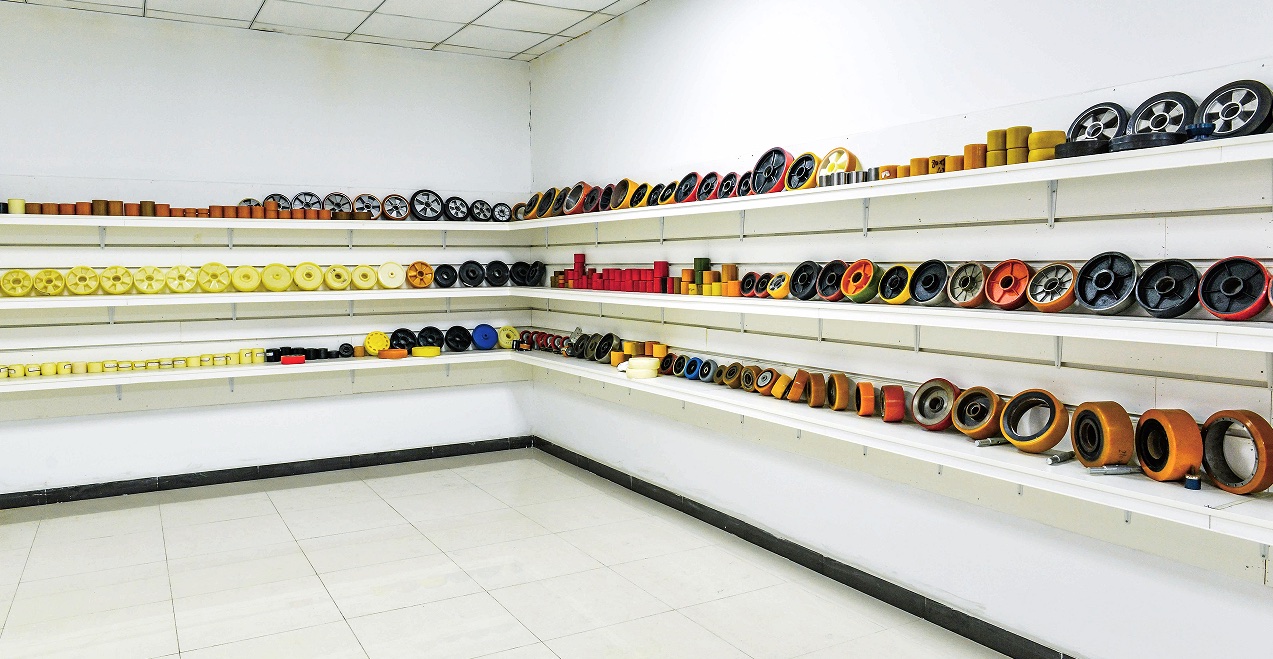
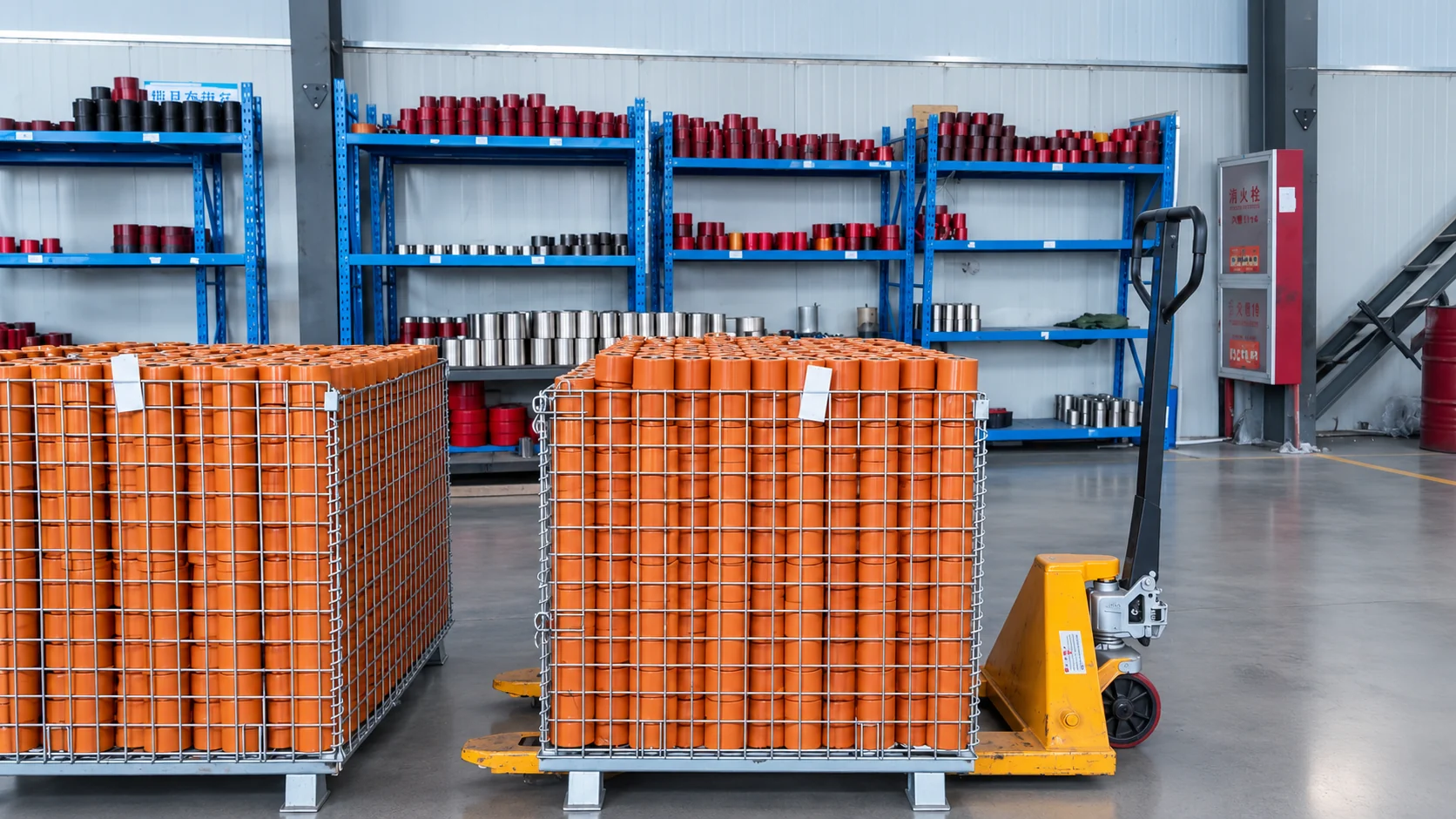
View application ↗Choosing the Right Pallet Jack Wheels for Indoor Warehouses
Choose indoor pallet jack wheels by floor, noise, speed, load, moisture exposure, rolling resistance, and tread profile—not material name alone.

Floor condition, moisture, temperature, load and duty cycle change wheel performance. Browse application notes, then confirm the exact construction by equipment and dimensions.
Each article explains what changes the wheel choice in a real working environment. Replace the Featured Image and content from Posts → Applications.
01Choose indoor pallet jack wheels by floor, noise, speed, load, moisture exposure, rolling resistance, and tread profile—not material name alone.
 02
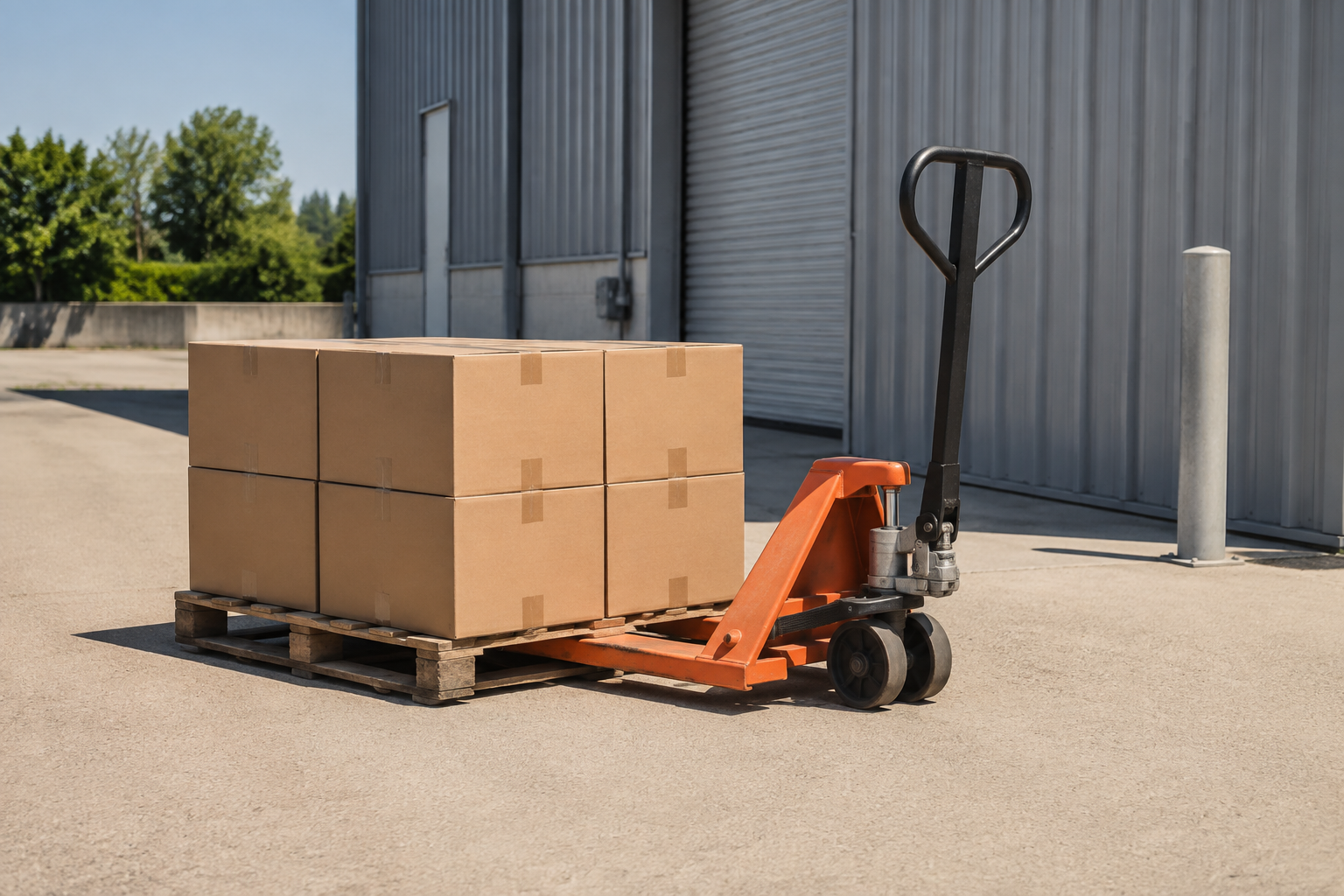
02Specify pallet jack wheels for gravel, metal debris, damaged concrete, shock, and dusty industrial routes by choosing the right nylon process and sealed bearings.
 03
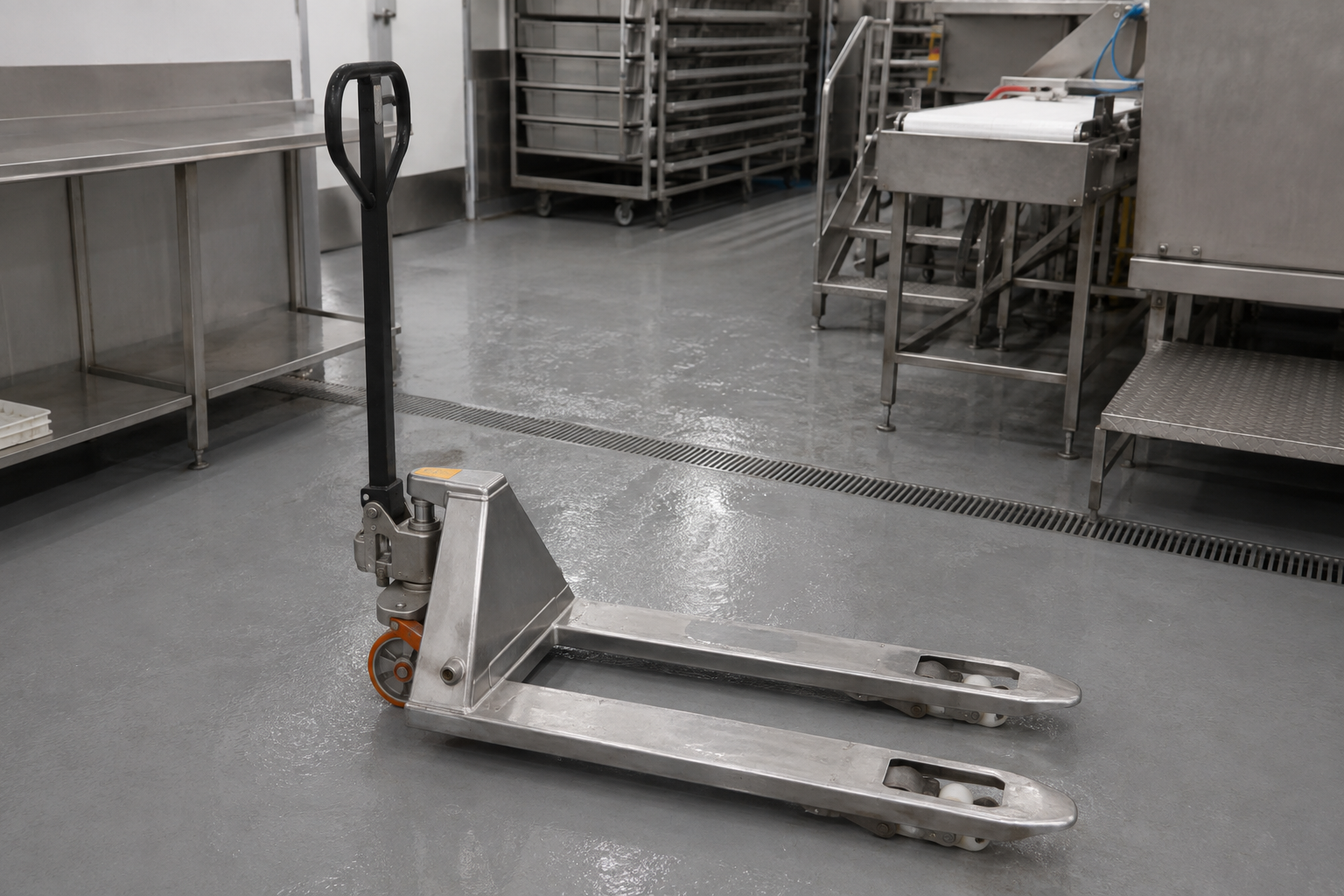
03Specify washdown pallet jack wheels as a complete system: chemically compatible tread, sealed stainless bearings, corrosion-resistant hardware, and temperature review.
 04
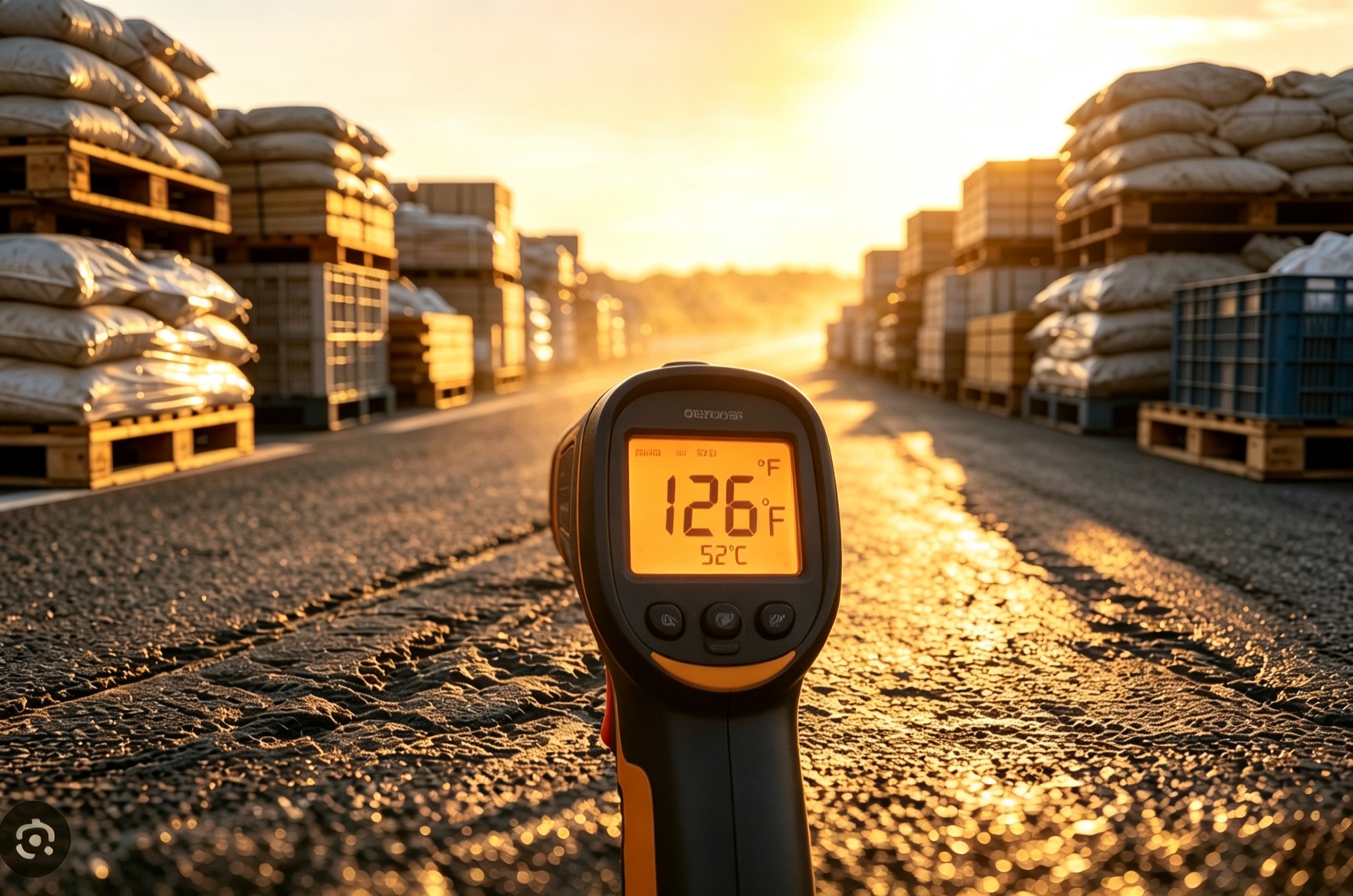
04Prevent bearing-bore expansion and permanent flat spots on electric pallet jacks operating above 140°F under heavy loads with reinforced MC nylon.
 05
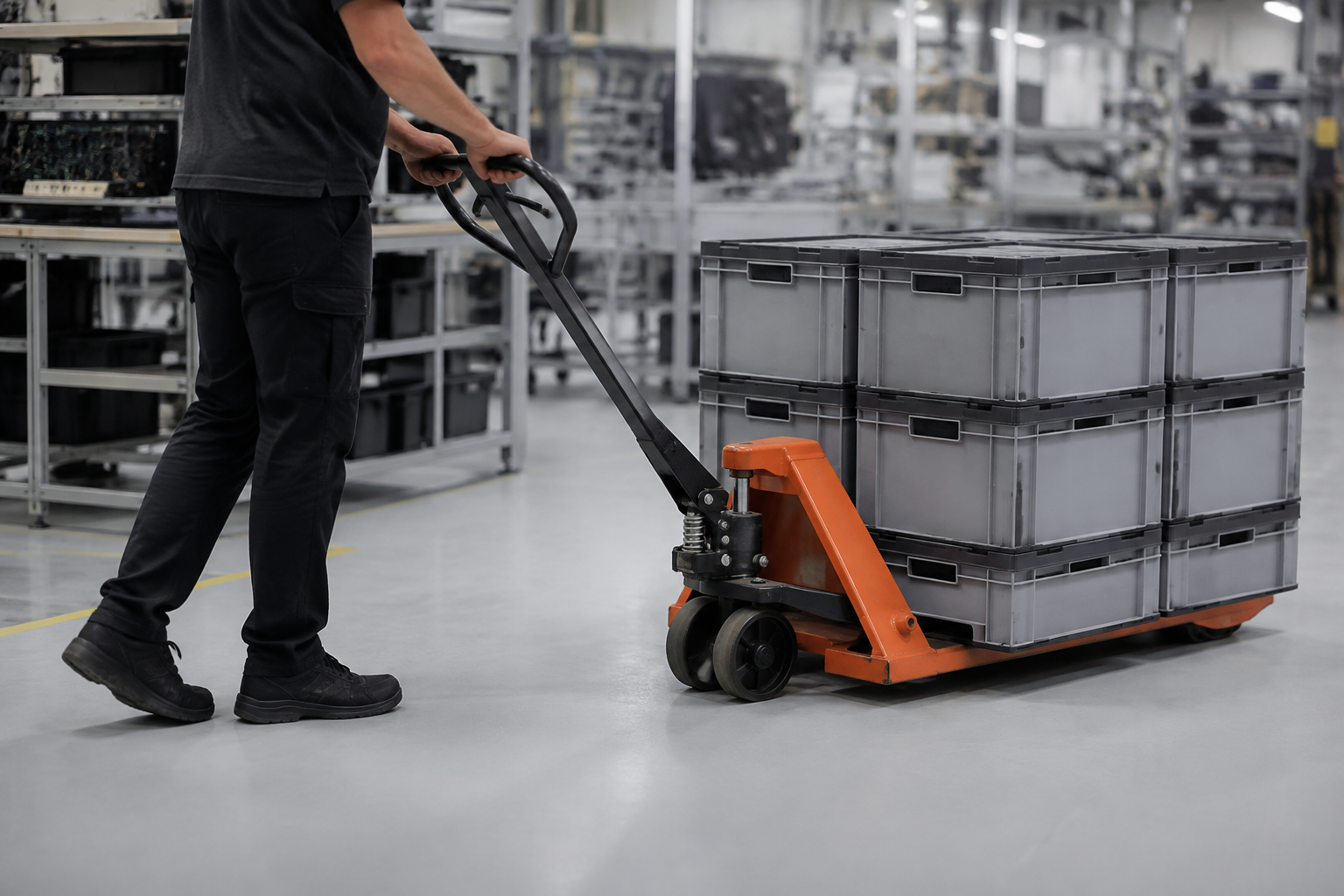
05Build a complete static-dissipative path for cleanrooms and electronics manufacturing with permanent ESD polyurethane, conductive cores, bearings, and grounding.
 06
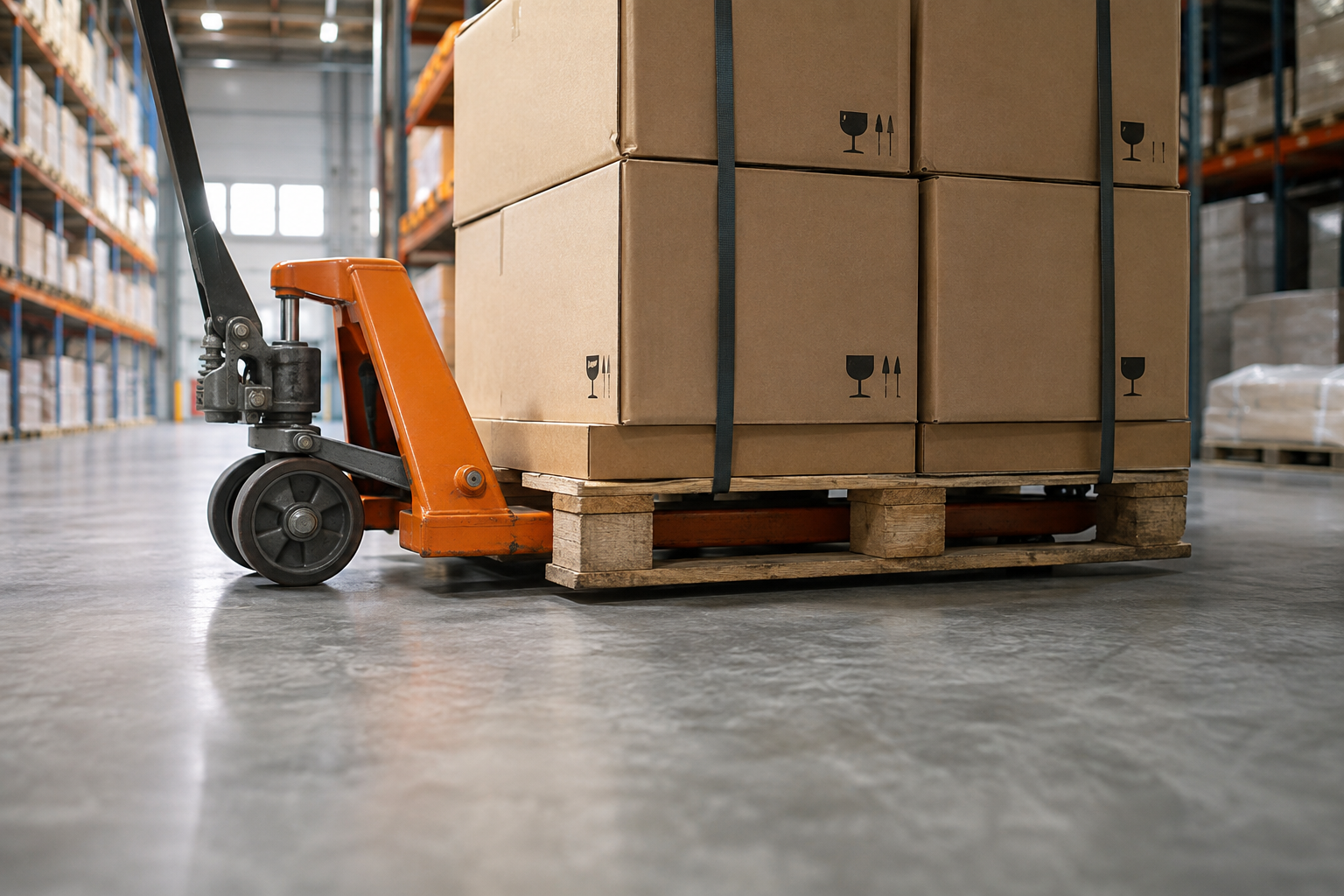
06Protect server racks, medical devices, optical instruments, and fragile goods with industrial rubber wheels selected for damping and manageable rolling resistance.